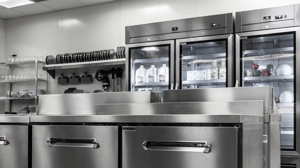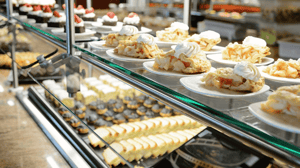

Thoughtful assisted living kitchen design balances operational efficiency with resident dignity. The layout, equipment choices, and sanitation strategies behind a senior living kitchen directly affect meal quality, staff productivity, and the overall dining experience. When kitchen design falls short, staff struggle with inefficient workflows, and residents feel it through slower service or meals that feel institutional rather than hospitable.
Why Assisted Living Kitchens Require a Different Design Approach
Senior living kitchens operate under unique pressures. Unlike traditional restaurants, they serve a consistent population with evolving dietary needs. Unlike hospitals, they often aim to deliver a hospitality-driven dining experience rather than strictly clinical foodservice.
Designers must account for several operational realities. Residents often require modified textures, allergen-sensitive preparation, or specialized dietary programs. Staff must produce meals on predictable schedules while still allowing flexibility for residents who dine at different times throughout the day. At the same time, facilities must meet sanitation and safety standards comparable to those in other healthcare environments.
These competing demands make layout and equipment planning particularly important. A poorly designed kitchen can create bottlenecks during meal service, increase staff fatigue, and compromise sanitation practices.
Supporting Resident Experience Through Kitchen Design
Kitchen design shapes resident experience by enabling fresh preparation, consistent service timing, and menu variety. For communities competing to attract residents and families, the dining program is often a deciding factor.
An effective assisted living kitchen design supports this experience by enabling fresh preparation, consistent service timing, and menu variety. Production areas should allow staff to prepare multiple menu components simultaneously without congestion. Clear separation between preparation, cooking, and plating zones helps maintain organization during peak meal periods.
The dining experience also benefits from equipment that supports flexible menus. Steamers, combi ovens, and versatile holding systems enable kitchens to prepare smaller batches throughout service, rather than relying on long holding times. This approach improves food quality and allows menus to adapt to resident preferences.
Facilities that prioritize hospitality-driven dining often see improved satisfaction among residents and their families, reinforcing the value of thoughtful design decisions.
Improving Staff Workflow and Efficiency
Kitchen layout directly influences how efficiently smaller teams can deliver consistent meal service across breakfast, lunch, and dinner. With labor constraints affecting most healthcare foodservice operations, the physical design of the kitchen becomes a staffing tool in itself.
Storage is another critical factor. Adequate refrigerated and dry storage ensures ingredients remain accessible while maintaining food safety standards. When staff spend less time navigating cluttered spaces or searching for supplies, they can focus more on food quality and resident interaction.
Durable equipment also plays a role. Products designed for healthcare environments can withstand frequent cleaning and high-volume use while maintaining reliable performance. Facilities often rely on trusted manufacturers and durable kitchen solutions to support long-term operations.
Sanitation and Safety in Healthcare Foodservice
Sanitation expectations in senior living environments mirror broader healthcare standards. Kitchens must adhere to strict cleaning protocols while maintaining safe food-handling practices.
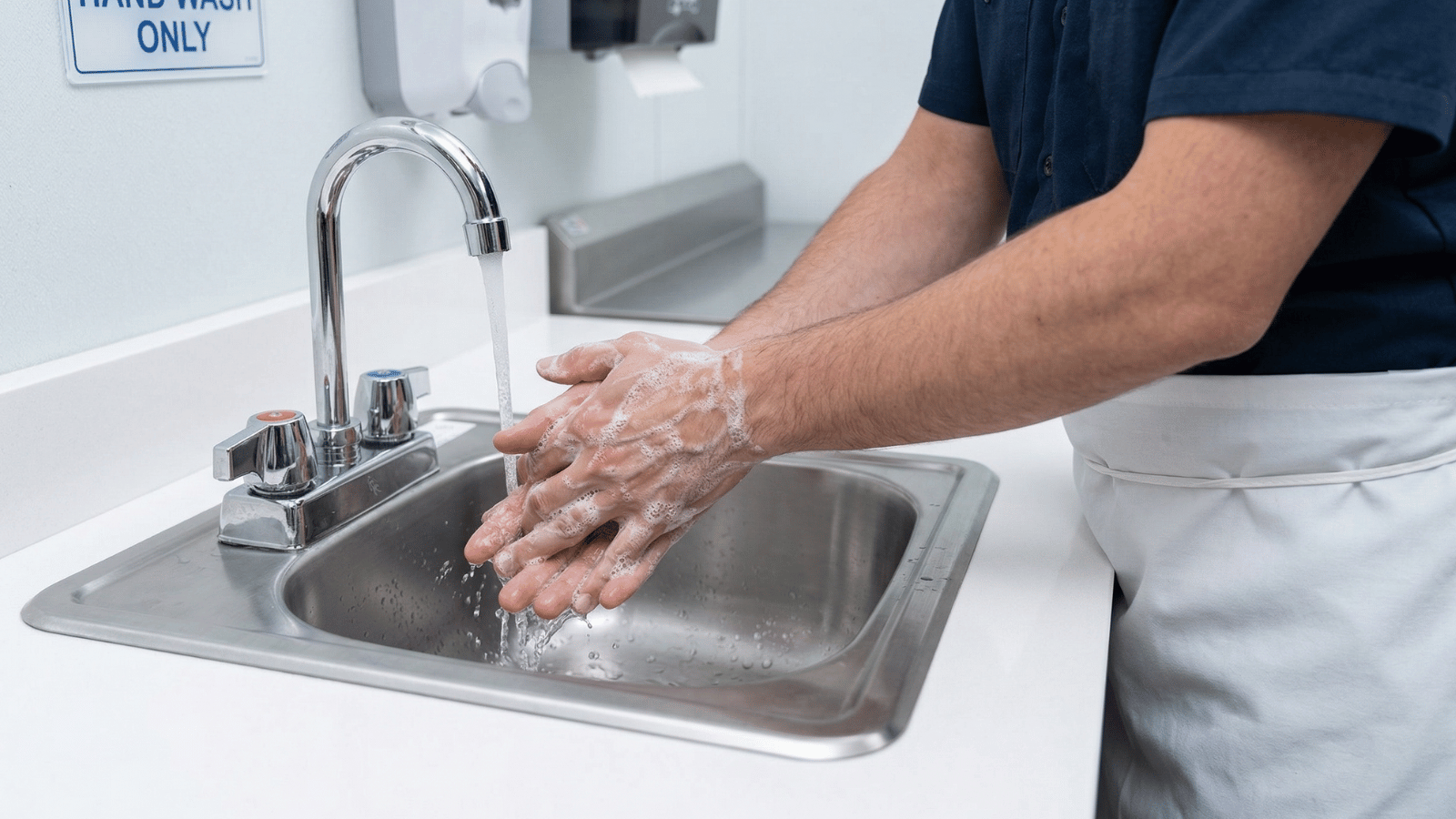 Design elements such as stainless steel work surfaces, sealed joints, and easy-to-clean equipment reduce contamination risks and simplify sanitation procedures. Adequate handwashing stations, designated cleaning areas, and proper waste management systems further support food safety compliance.
Proper equipment selection also contributes to sanitation outcomes. Healthcare foodservice equipment often includes features that minimize debris buildup and allow quick disassembly for cleaning.
Facilities that incorporate sanitation-focused design from the start reduce the likelihood of operational disruptions caused by health inspections or equipment failures.
Equipment Considerations for Assisted Living Kitchens
Choosing the right equipment is critical to supporting the operational goals of senior living foodservice. Equipment must deliver reliability while accommodating diverse menu requirements.
Multi-functional cooking equipment allows kitchens to prepare a wide range of menu items without requiring excessive floor space. Efficient refrigeration systems protect ingredient quality while supporting frequent access during meal service.
Durability is equally important. Assisted living kitchens operate every day of the year, and equipment downtime can quickly disrupt service. Reliable manufacturers specializing in commercial-grade kitchen equipment provide the consistency needed in healthcare environments.
Facilities that invest in flexible kitchen infrastructure better adapt to evolving resident preferences while maintaining operational efficiency.
The Role of Design in Dignified Dining
At its core, assisted living foodservice is about preserving residents' dignity and comfort. Kitchen design supports that mission by ensuring meals are delivered efficiently, safely, and consistently.
When designers align kitchen layouts with operational workflows, staff can focus on delivering thoughtful dining experiences rather than managing logistical challenges. Residents benefit from reliable meal service that feels welcoming rather than institutional.
Investing in thoughtful assisted living kitchen design ultimately strengthens both operational performance and resident satisfaction. For senior living communities, that balance is essential to long-term success.
Frequently Asked Questions about Assisted Living Kitchen Design
What makes assisted living kitchen design different from restaurant kitchen design?
Assisted living kitchens must meet healthcare sanitation standards while serving a consistent population with specialized dietary needs and predictable meal schedules. That combination of clinical compliance and hospitality-driven dining sets them apart from restaurant kitchens.
What equipment is commonly used in assisted living foodservice kitchens?
Common equipment includes combi ovens, steamers, refrigerated prep stations, hot holding equipment, and durable stainless steel work surfaces designed for healthcare foodservice environments.
How does kitchen layout affect staff efficiency in senior living facilities?
Efficient layouts reduce cross-traffic, shorten travel distances between stations, and support a logical production flow from preparation through service. This helps smaller teams maintain consistent meal service.
Why is sanitation a major consideration in assisted living kitchens?
Senior living communities serve residents who may be more vulnerable to foodborne illness. Kitchen design and equipment selection must support strict cleaning procedures and safe food handling practices to maintain compliance with health standards.
If your team wants hands-on experience with equipment to support your senior living facility, we can help: